Archives
- 2026-07
- 2026-06
- 2026-05
- 2026-04
- 2026-03
- 2026-02
- 2026-01
- 2025-12
- 2025-11
- 2025-10
- 2025-09
- 2025-03
- 2025-02
- 2025-01
- 2024-12
- 2024-11
- 2024-10
- 2024-09
- 2024-08
- 2024-07
- 2024-06
- 2024-05
- 2024-04
- 2024-03
- 2024-02
- 2024-01
- 2023-12
- 2023-11
- 2023-10
- 2023-09
- 2023-08
- 2023-07
- 2023-06
- 2023-05
- 2023-04
- 2023-03
- 2023-02
- 2023-01
- 2022-12
- 2022-11
- 2022-10
- 2022-09
- 2022-08
- 2022-07
- 2022-06
- 2022-05
- 2022-04
- 2022-03
- 2022-02
- 2022-01
- 2021-12
- 2021-11
- 2021-10
- 2021-09
- 2021-08
- 2021-07
- 2021-06
- 2021-05
- 2021-04
- 2021-03
- 2021-02
- 2021-01
- 2020-12
- 2020-11
- 2020-10
- 2020-09
- 2020-08
- 2020-07
- 2020-06
- 2020-05
- 2020-04
- 2020-03
- 2020-02
- 2020-01
- 2019-12
- 2019-11
- 2019-10
- 2019-09
- 2019-08
- 2019-07
- 2018-07
-
Qualitative inspection of the single channel traces
2025-01-13
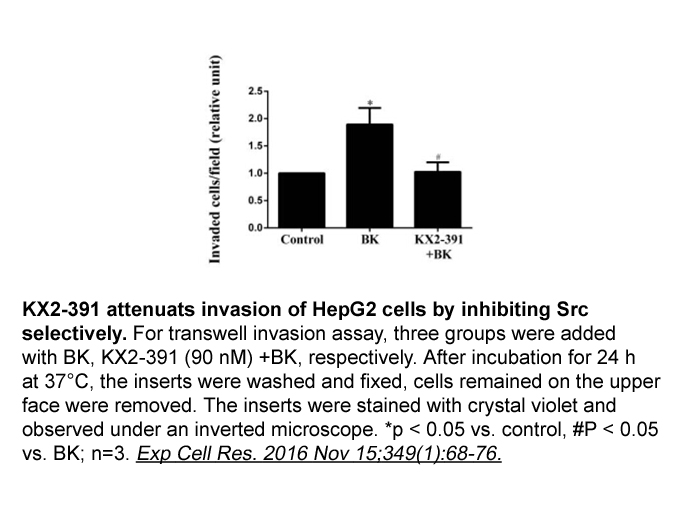
Qualitative inspection of the single-channel traces presented in both Figures 3 and 4 shows that within bursts of activity, βAnc-containing AChRs display a marked reduction in open probability. To quantify these differences in single-channel behavior, we performed dwell-time analysis under high-reso
-
The original Aurora kinase was identified during a phenotypi
2025-01-13
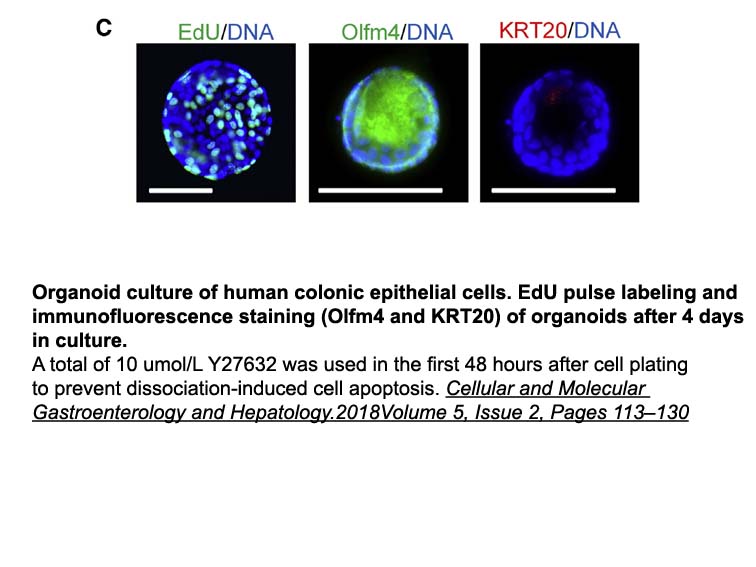
The original Aurora kinase was identified during a phenotypic screen for defects in mitotic spindles in Drosophila mutants. Aurora mutants were so named because of the morphological defects at the mitotic spindle resembling the Aurora borealis, or the Northern light [4]. The structure of the Auroras
-
Investigating these possibilities will illuminate
2025-01-13

Investigating these possibilities will illuminate whether MK 886 possess mechanisms to differentially detect ACLY-generated versus ACSS2-generated acetyl-CoA as well as define the functional relationship between histone acetylation levels and cellular functions and phenotypes. Given that ACLY domin
-
Cycloheximide eukaryotic cells The subnuclear localizations
2025-01-10
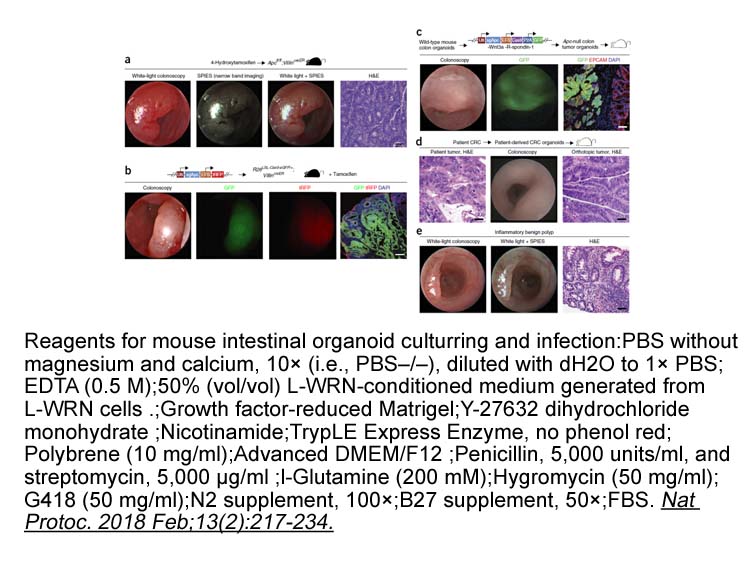
The subnuclear localizations of redox regulators is also largely unknown. The potential role of thiol reductases as transcription regulators or DNA repair molecules may suggest an association to DNA. In this way, the presence of a zinc finger domain potentially involved in protein/DNA interactions o
-
3-Methyladenine br Steroidogenesis in the skin The
2025-01-10
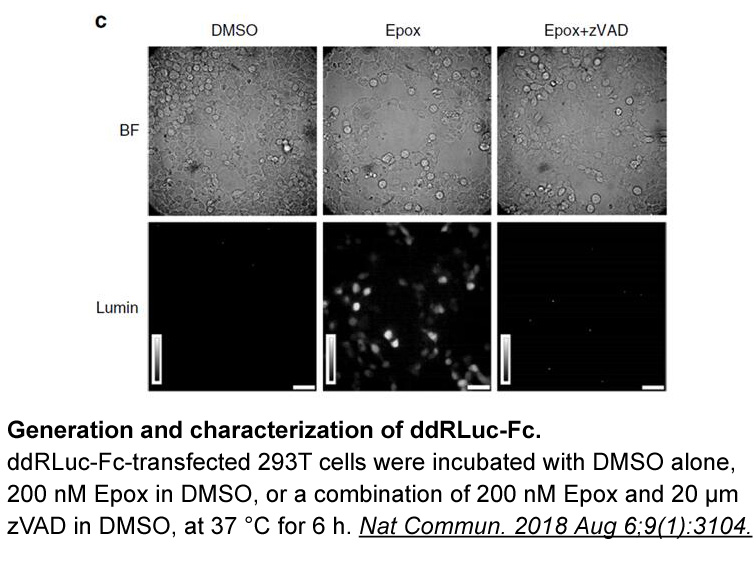
Steroidogenesis in the skin The synthesis of steroid hormones takes place in many tissues of which the adrenal glands, ovaries, testis, placenta and 3-Methyladenine are considered to be classical steroidogenic organs. Nevertheless, skin constitutes an important peripheral steroidogenic tissue. S
-
Although only Leu CysAP IRAP Herbest et
2025-01-10
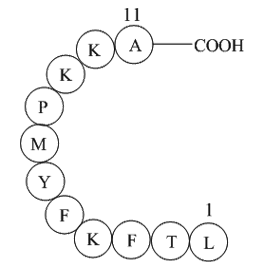
Although only Leu/CysAP (IRAP) (Herbest et al., 1997, Keller, 2004) and DPPIV (Alponti and Silveira, 2010, Kirino et al., 2009) had been identified and studied in adipocytes, our kinetic analysis suggested the highest physiological significance for AspAP (highest affinity) and APM and PSA (highest e
-
Polycyclic aromatic hydrocarbons PAHs are abundant environme
2025-01-10
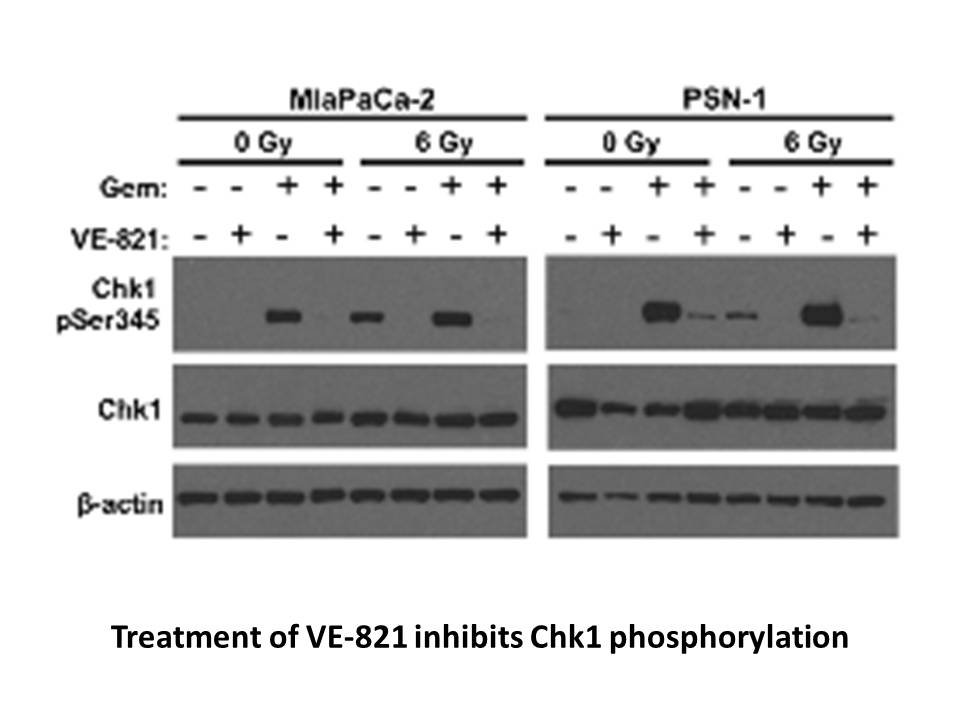
Polycyclic aromatic hydrocarbons (PAHs) are abundant environmental contaminants that are produced by the incomplete combustion of organic matter, combustion engines, residential heating, acetylcholine receptors burning, and industrial activities (Gelboin, 1980; Phillips, 1999, Phillips, 2002). Some
-
br Adiponectin receptors in colorectal cancer development AP
2025-01-10
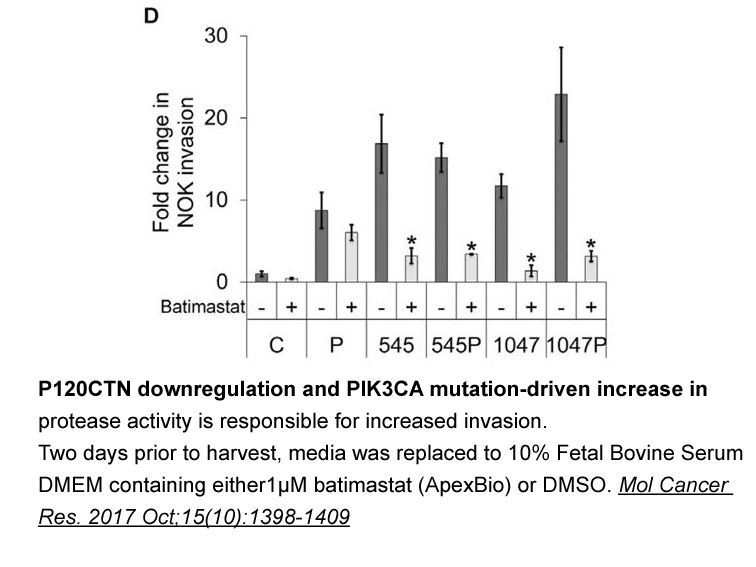
Adiponectin receptors in colorectal cancer development APN receptors expressed in CRC tissue may mediate its effects on cell expansion and cell death (Byeon et al., 2010). It was observed that the expression of AdipoR1 and 2 is higher in CRC tissue than in counterpart healthy tissues (Williams et
-
The obtained results indicate that even when the impairment
2025-01-10
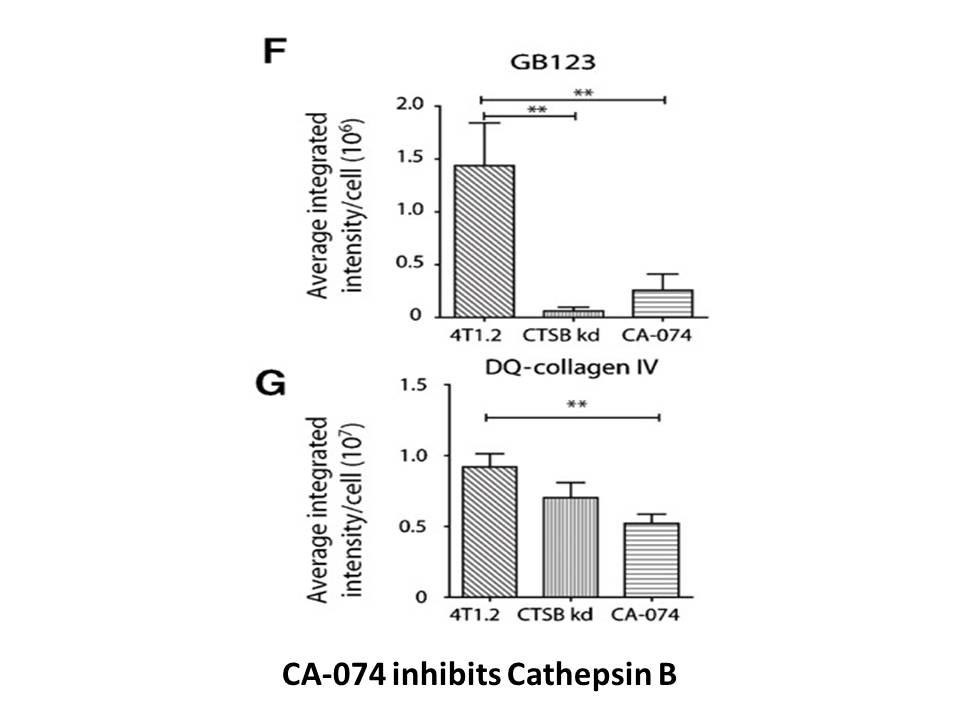
The obtained results indicate that even when the impairment of the same forms of memory are present, amnesia can develop in different ways. Impairment of memory reconsolidation in the conditioned food aversion model through both the serotonin receptor antagonist and the antagonist of NMDA glutamate
-
br Materials and methods br Results br Discussion
2025-01-10
Materials and methods Results Discussion This study demonstrates that treatment with a selective adenosine kinase inhibitor ABT-702, thereby enhancing extracellular adenosine, can provide partial protection from age-related hearing loss in C57BL/6J mice. Chronic treatment with ABT-702, comm
-
The hypothalamic pituitary adrenal HPA
2025-01-10

The hypothalamic-pituitary-adrenal (HPA) axis is a neuroendocrine system that is central to regulating responses to stress (Palazidou, 2012). In older persons, a high dysfunction of the HPA axis is observed (Otte et al., 2005) which may be enhanced by stimulatory effects of genes involved in the axi
-
It has been shown that ACLY is
2025-01-09
It has been shown that ACLY is localized to not only the cytoplasm but also the nucleus. Nuclear ACLY may supply acetyl-CoA for histone acetylation, leading to global regulation of the gene expression [16], [18]. We previously reported that AZ2 is also localized to both the cytoplasm and nucleus whe
-
Exposure to cisplatin with ATR
2025-01-09
Exposure to cisplatin with ATR inhibitor resulted in an increase in cisplatin-DNA adducts, especially in cells with ATM deficiency. This finding indicates that suppressing ATR-Chk1 signaling with VE-822 enhances cisplatin activity by enabling the drug to form DNA adducts. Therefore, VE-822 may incre
-
Having demonstrated that Gq coupled mGluR a was necessary
2025-01-09
Having demonstrated that Gq-coupled mGluR1a was necessary for estradiol-induced enhancement of CREB phosphorylation, we hypothesized that activation of a separate G-protein signaling pathway could explain the effect of estradiol on L-type calcium channel signaling (Boulware et al., 2005). Indeed, in
-
br Conclusions br Author declaration
2025-01-09
Conclusions Author declaration Acknowledgements Introduction ASK1 scaffolding proteins ASK1 adaptor proteins Conclusions Scaffolding and adaptor proteins can coordinate the specific activation of a MAP3K-MAP2K-MAPK pathway in response to various stimuli. For example, both where
15663 records 54/1045 page Previous Next First page 上5页 5152535455 下5页 Last page